Guides
Detailed guides to corporate and personal insolvency, restructuring and director responsibilities — explaining the key processes, available options and what directors, individuals and creditors can expect.
Companies & directors
Practical guides to liquidation, restructuring and director responsibilities, including personal exposure to unpaid company tax and superannuation.

Director Penalty Notices (DPNs): A Guide for Directors
How director penalties arise, the 21-day deadline, lockdown and non-lockdown amounts, and the options available to directors.
Read guide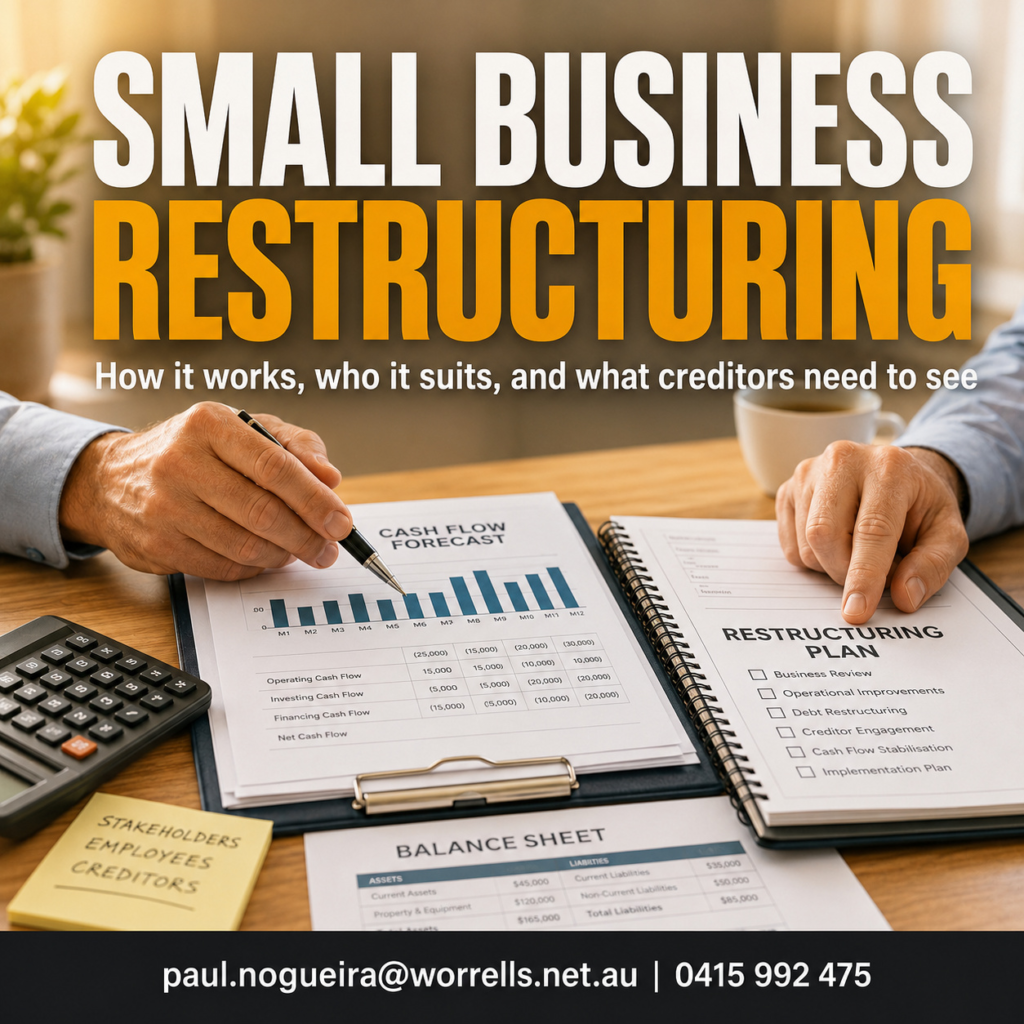
What is Small Business Restructuring: How does it work?
How SBR works, who can use it, how creditors vote and what makes a restructuring plan viable.
Read guide
Creditors’ Voluntary Liquidation: How the process works
How a CVL begins, what the liquidator does, and what directors and creditors can expect during the winding up.
Read guide
Voluntary Administration: What should you expect?
How voluntary administration works, when it may be appropriate, who controls the company and how creditors decide its future.
Read guide
Closing a Company Through a Members’ Voluntary Liquidation
How a solvent company is formally wound up, its liabilities dealt with and surplus assets distributed to shareholders.
Read guidePersonal insolvency
Guides to bankruptcy and Part X Personal Insolvency Agreements, including how the processes begin and how creditors and assets are dealt with.
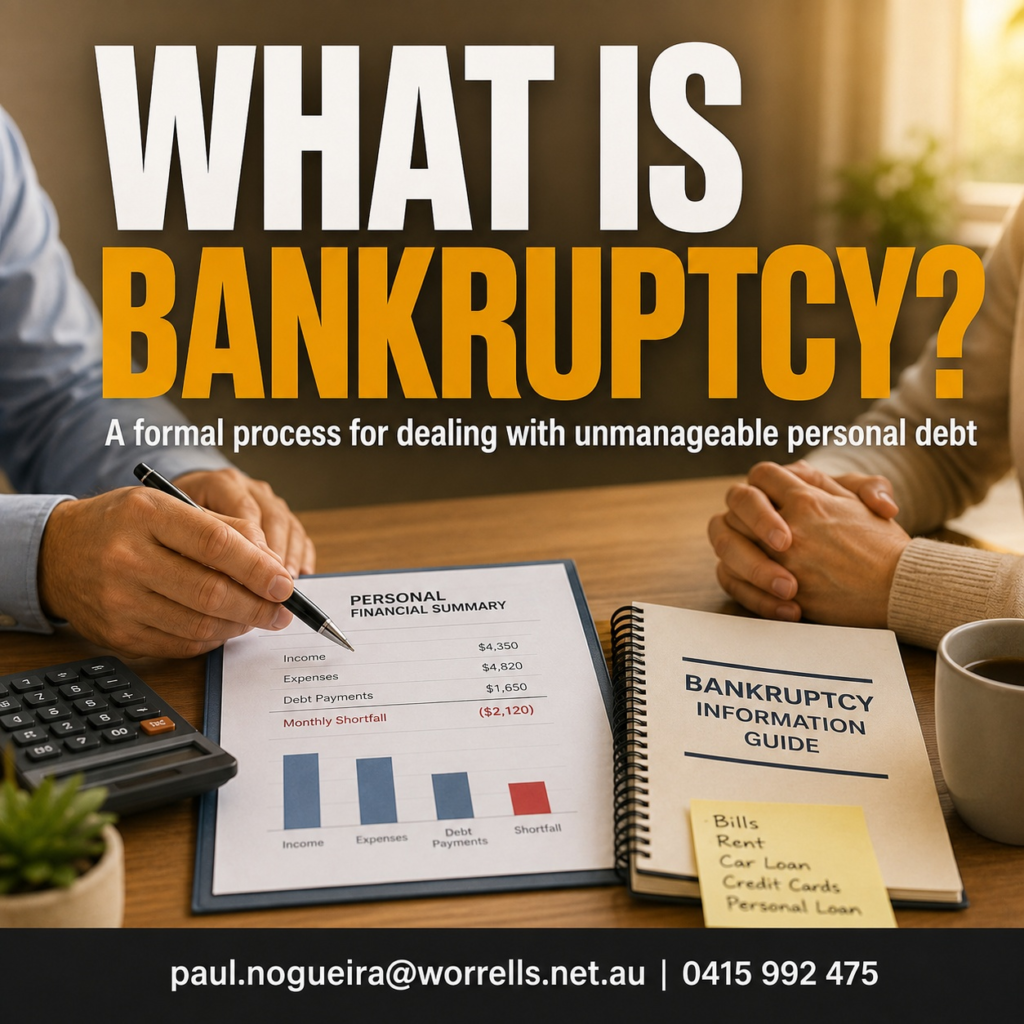
What is Bankruptcy?
How bankruptcy starts, what happens to assets and creditors, and the role of the bankruptcy trustee.
Read guide
Personal Insolvency Agreements: An Alternative to Bankruptcy
How a Part X proposal works, the role of the controlling trustee and how creditors decide whether to accept the proposal.
Read guideMore practical insolvency insights
Case studies, technical updates and practical observations on insolvency, restructuring and related issues.
Discuss a matter
If you would like to discuss a restructuring, insolvency or independent appointment matter, a brief outline of the circumstances and any immediate deadlines is enough for an initial discussion.
Discuss a Matter